Seamless early years design bridges the gap between nursery and school.Spaces that shape success
INSIGHTS / Guide 03 / Early Years Design
Caroline Izard, Education Specialist - July 2026
This month [July 2026], the Department for Education have released their 'Early Years Design Guidance - A primer for school-based Nurseries.' This has been created to prepare nursery age children for further learning. Metric Education have condensed this into an easy read guide to ensure your learning spaces are DfE-compliant, collaborative, child centred and engaging from design to reality.
Smart Space Planning & Layout Strategy
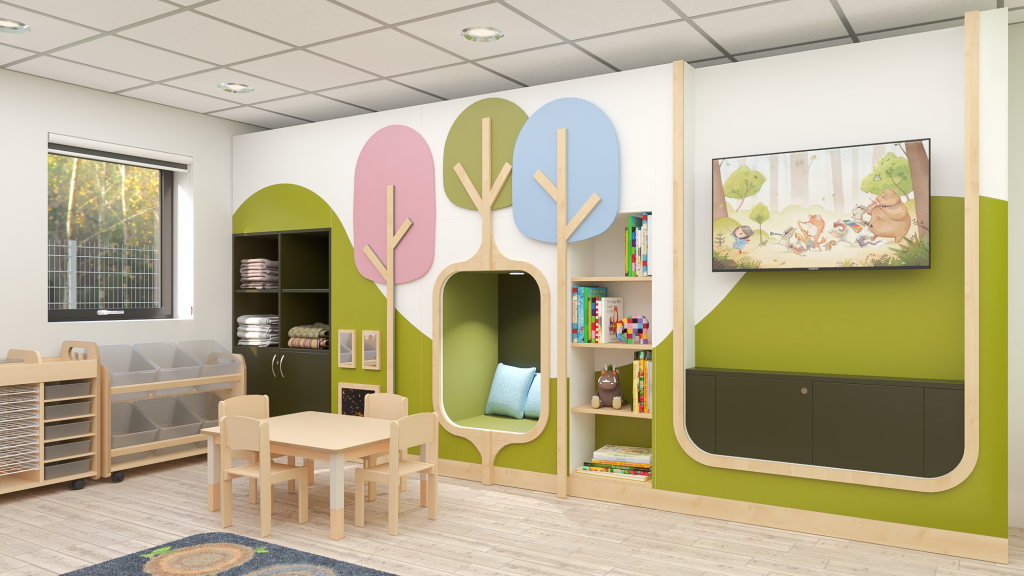
Seamless early years design bridges the gap between nursery and school by physically grouping baby rooms and playrooms near reception classes, establishing intuitive spatial stepping stones for transition. These spaces are intentionally sculpted around the natural rhythms of a child’s day—creating fluid spatial flows where children feel supported, comforted, and seamlessly connected to outdoor environments to explore, learn, and build relationships. Far from being isolated hubs, these layouts are integrated into the school’s wider development plan, maximising functionality through multi-use zones equipped with secure, lockable storage for wraparound after-school clubs. They double as vital community service hubs, providing dedicated areas to welcome parents, carers, healthcare professionals, and family services. Finally, because a nurturing environment starts with its educators, the design prioritises staff wellbeing by integrating dedicated, restorative spaces that actively promote physical and mental health.
DfE Early Years Design Guidance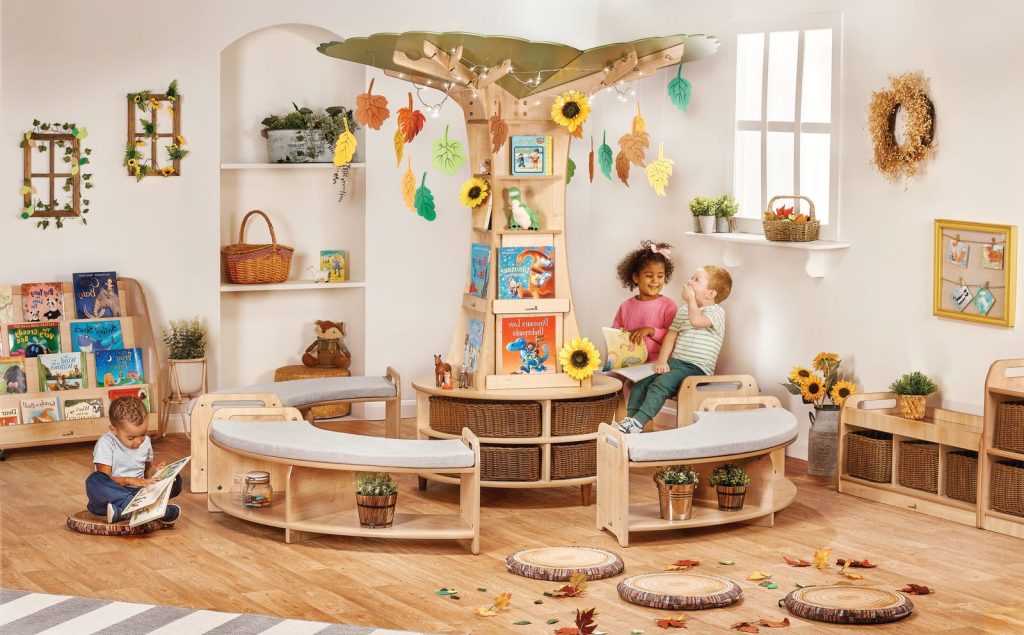
Compliant Loose & Fitted Furniture
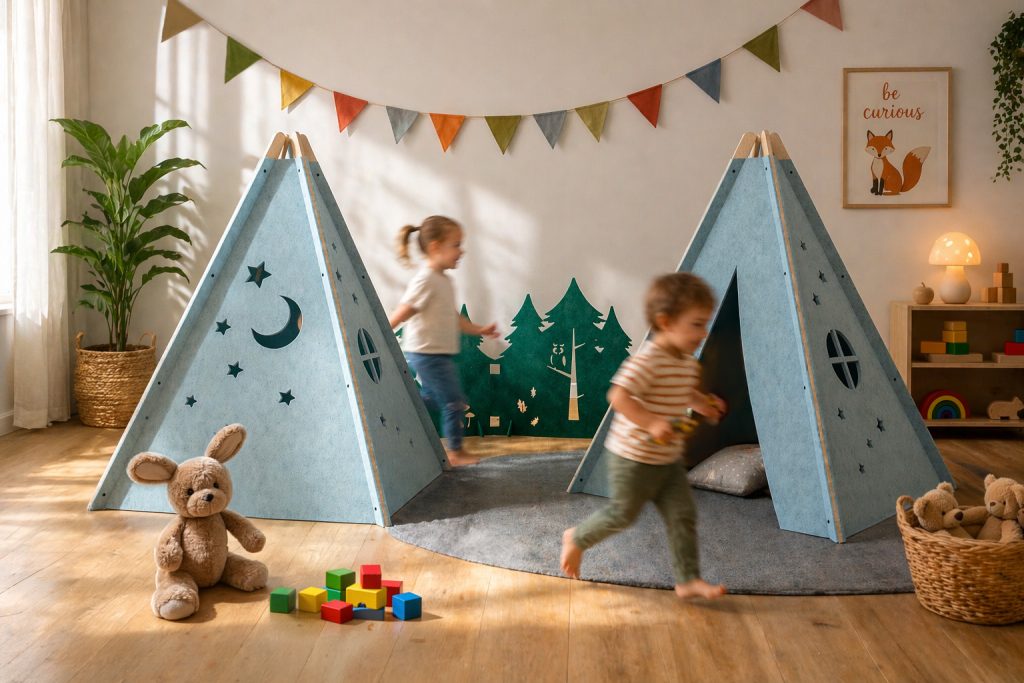
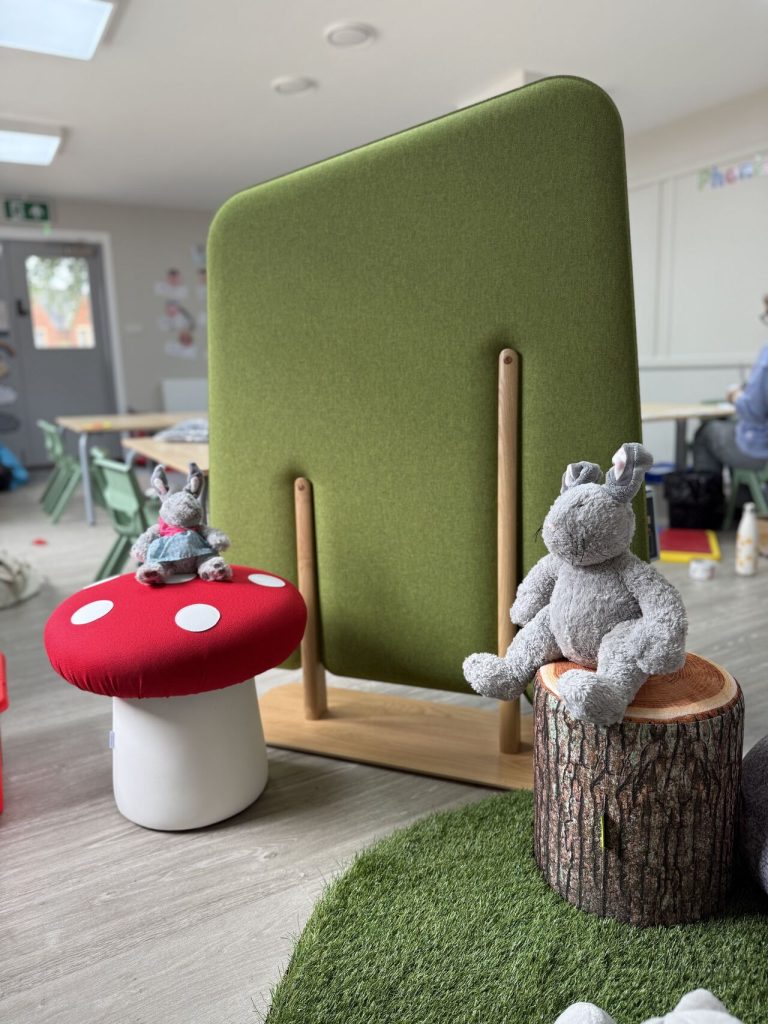
DfE-compliant classrooms seamlessly balance physical development, safety, and flexible learning through carefully specified loose and fitted furniture. To support healthy skeletal growth, comfort, and proper posture, all tables and chairs must meet the strict BS EN 1729 standards for age-appropriate sizing. Safety and independent exploration are built right into the room’s layout; low-level shelving ensures staff maintain clear, unobstructed sightlines across the space, while cubbies and coat pegs sit directly at a child’s eye level to encourage daily self-care routines. Furthermore, these environments utilise highly flexible, mobile furniture that allows educators to easily zone the learning areas. This modular approach makes it simple to separate quiet rest areas from active, messy play zones, giving nurseries the freedom to rapidly reconfigure the layout as their daily teaching needs change.

High-Performance Interior Works
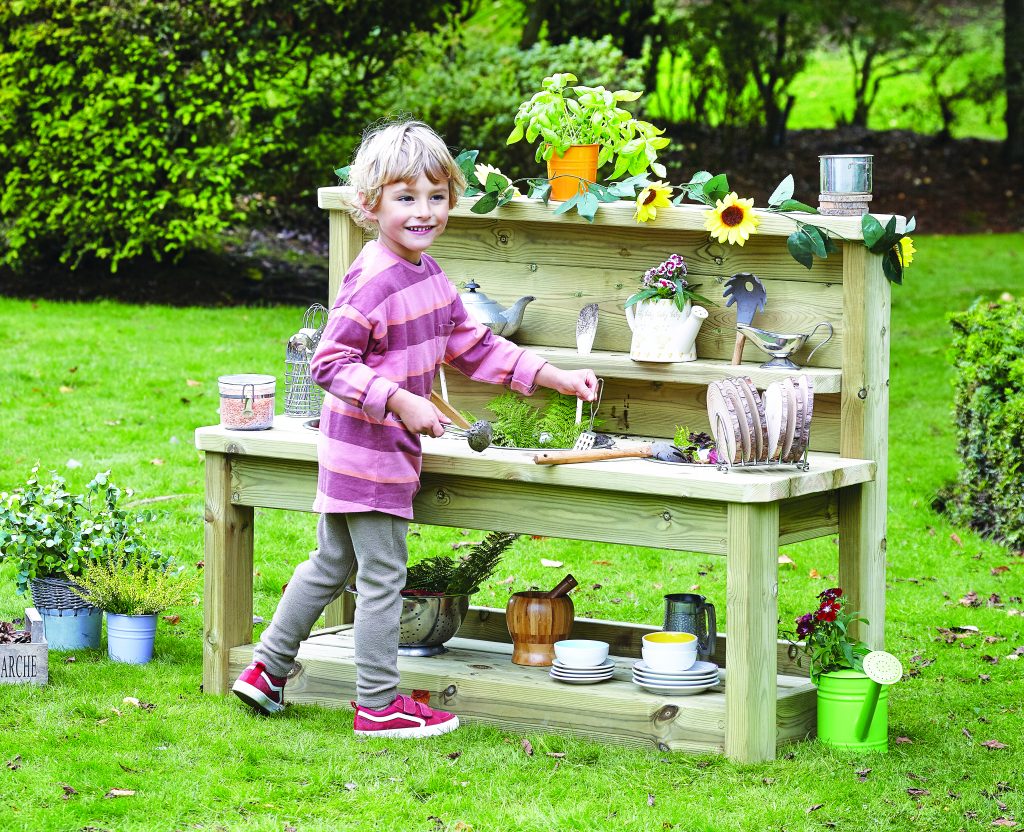
Specialised Outdoor Play Environments